
Hidden Wiki Telegram: Staying Updated
- First published
- Last reviewed
- Oct 20, 2026
- Editor
- Sophie Lang

Notable Tor Services Overview
This selection provides access to key services available on Tor, enhancing your experience and security. Each service has its unique offerings and features worth exploring.

Nexus Market
Nexus Market — A reliable marketplace with strong security features for digital transactions.
On Torums7mctigzemj3thj7nihnbpdb4evkvwvdfd3obodu2iv2q3s522aiyd.onion
Professor Mariarti
Professor Mariarti — A Telegram channel provides insights on hidden web safety and profit opportunities.
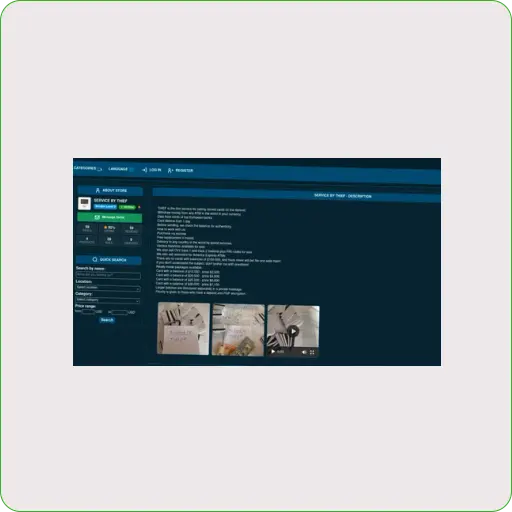
LONELY ROAD
LONELY ROAD is a marketplace with multilingual support and parcel locker delivery options, offering a diverse range of products including software and cloned cards.
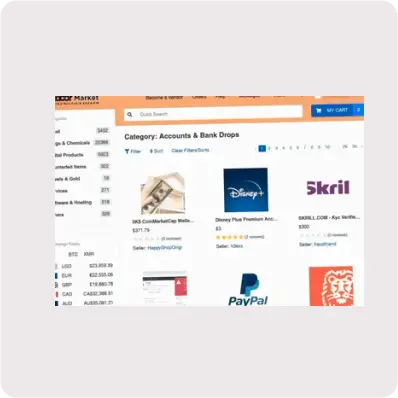
Tor2Door Market
Tor2Door Market — A marketplace prioritizing user privacy with simple navigation and anonymous payments.
On Torytjm2aoy6o65si4xs3ltqs5jbkzyefvzlyzi4u3srqlljlcdhd6bojqd.onion
The Hidden Wiki, a directory for .onion sites on the dark web, does not directly use Telegram for updates. Instead, Telegram has become a separate platform for illicit activities, including the trade of stolen data and cybercrime tools [1, 2].
Understanding the 'Hidden Wiki Telegram' Connection
The 'Hidden Wiki' serves as a directory for .onion sites on the dark web, providing links to various resources, including forums, marketplaces, and information on illicit activities. Its primary purpose is to guide users through the complex and often dangerous landscape of hidden services, making it easier to find specific content while navigating the anonymity of the dark web.
Telegram plays a significant role in the dissemination of information related to the Hidden Wiki. It hosts numerous channels that share updates, news, and discussions about .onion sites and activities. These channels often provide real-time information, allowing users to stay informed about changing links, emerging threats, or new resources. The platform's encrypted messaging feature offers a degree of anonymity, which appeals to those looking to engage with sensitive topics without revealing their identities.
Users may seek the connection between the Hidden Wiki and Telegram for several reasons:
Updates: Telegram channels frequently post updates about the status of various .onion sites, including any changes in access or new content.
News: Users can find news about cybercrime, data breaches, and other related topics that are crucial for staying informed on the dark web landscape.
Specific Content: Many users look for niche content that may not be easily accessible through traditional search engines. Telegram channels often curate specialized information, directing users to lesser-known resources.
However, engaging with these channels comes with risks. Telegram has been identified as a platform where illicit activities flourish, including the trade of hacked data and malware[1]. Channels dedicated to cybercriminal activities attract millions of users, making it essential for individuals to approach the information shared within them with caution. Understanding this connection helps users navigate the complexities of both the Hidden Wiki and Telegram while prioritizing their digital security.
Why Telegram is Used for Dark Web Information
Telegram's features make it an attractive platform for dark web communities. Key aspects include encryption, channel anonymity, and ease of sharing content. Encryption ensures that messages are secure, protecting users' identities and activities from surveillance. This security layer is vital for those engaging in sensitive discussions related to the dark web.
Anonymity is another significant factor. Telegram allows users to create channels without revealing their personal information. This characteristic appeals to those sharing illicit content or seeking to discuss topics that could attract unwanted attention. Furthermore, the platform's user-friendly interface makes it easy to share links and information quickly, fostering a dynamic environment for communication.
A noticeable trend is the shift of some dark web activities from traditional onion sites to Telegram. Reports indicate that Telegram hosts vast channels where hacked data, including credit card details and passwords, is actively traded[1]. Additionally, tools for cybercrime, such as malware and deepfake software, are widely available[1]. These channels facilitate the exchange of sensitive information among thousands of users globally, creating a marketplace for illicit activities[2].
Types of information commonly shared on Telegram include:
News: Updates about cybercrime, data breaches, and dark web developments.
Links: Direct access to various .onion sites and resources.
Discussions: Conversations surrounding cybersecurity topics, methods, and tools.
A large-scale analysis of cybercriminal activity channels on Telegram revealed that over 23.8 million users are engaged in sharing malicious content, including compromised credentials and pirated software[3]. This environment, often referred to as the "new dark web," highlights Telegram's role in the evolution of online illicit activities[1].
While Telegram provides a platform for real-time updates and discussions, users must remain vigilant. Engaging with these channels involves risks, including exposure to scams and illegal content. Understanding the dynamics of Telegram's dark web community is essential for navigating this complex landscape securely.
Risks and Dangers of Accessing Hidden Wiki Content via Telegram
Accessing Hidden Wiki content through Telegram poses various security risks and privacy concerns. Users should be aware of these dangers before engaging with such platforms.
Security Risks
Malware: Telegram channels often share links that may lead to malware downloads. Cybercriminals frequently distribute data-stealing software and other malicious tools. For example, tools for fraud, including deepfake software, are sold openly on Telegram[1]. Users who click on these links risk compromising their devices and personal information.
Phishing: Many Telegram channels use phishing tactics to steal credentials and sensitive data. Users may receive messages or links that appear legitimate but direct them to fake websites designed to capture login information. Engaging with such scams can lead to identity theft or financial loss.
Scams: The prevalence of scams is significant within Telegram's hidden communities. Users may encounter fake offers or fraudulent services, particularly related to cryptocurrency exchanges and hacking services. A lack of regulation means users often have no recourse if they fall victim to these schemes.
Exposure to Illegal Content: Telegram hosts numerous channels that share illicit content, including stolen data and illegal services. Engaging with these channels can lead to unintentional involvement in criminal activities. A report indicates that illicit data markets on Telegram facilitate the exchange of sensitive information among thousands of users[2].
Privacy Concerns
Data Leaks: Telegram's channels can expose users to significant privacy risks. Hacked data, including credit card details and personal information, is openly traded[1]. Users who participate in these communities risk having their own data compromised.
Surveillance: Although Telegram offers encryption, users are still vulnerable to monitoring by law enforcement and other entities. Engaging with illicit content can attract attention, potentially leading to legal ramifications.
Legal Repercussions
Legal consequences vary by jurisdiction. Accessing or sharing illegal content, such as child exploitation material or drug trafficking information, can result in severe penalties. Telegram's Terms of Service prohibit promoting illegal activities[4]. Users should be aware that engaging with hidden channels could lead to investigations or legal action depending on the content accessed.
To mitigate these risks, employing tools like VPNs and the Tor Browser is essential for maintaining anonymity and security while navigating Telegram channels related to the Hidden Wiki.
Best Practices for Safe Information Gathering
Staying safe while gathering information on Telegram related to the Hidden Wiki requires careful strategies. Here are actionable tips to enhance your security.
Use a VPN and Secure Browsers
Employing a VPN (Virtual Private Network) is crucial for maintaining anonymity. A VPN encrypts your internet connection, hiding your IP address and location from potential threats. When accessing Telegram or Hidden Wiki content, using the Tor Browser adds an additional layer of security by routing your connection through multiple servers, making it difficult to trace[1].
Avoid Suspicious Links
Links shared on Telegram channels can lead to malicious sites. Cybercriminals often use these links to distribute malware or engage in phishing attacks. It's essential to verify links before clicking. Look for signs of legitimacy, such as established domain names or user reviews. If a link seems suspicious or is shared without context, it’s best to avoid it[1].
Verify Channel Authenticity
Not all Telegram channels are trustworthy. Many claim to share Hidden Wiki content but may harbor malicious intentions. Verify the authenticity of channels by checking their follower count, user engagement, and any available reviews. If a channel asks for personal information or offers unrealistic deals, be cautious. Report any suspicious channels to Telegram moderators[5][4].
Do Not Share Personal Information
Avoid sharing any personal details in Telegram channels. This information can be exploited by malicious actors. Even seemingly innocuous data, such as your email or location, can be used for targeted attacks or scams. Maintain a policy of anonymity by using pseudonyms and avoiding any identifiable information[2].
Use Strong, Unique Passwords
Utilize strong and unique passwords for your accounts, especially those related to Telegram and the Hidden Wiki. A strong password should contain at least 12 characters, including uppercase letters, lowercase letters, numbers, and symbols. Consider using a password manager to generate and store these passwords securely, reducing the risk of data breaches[3].
By implementing these practices, individuals can navigate the connection between the Hidden Wiki and Telegram more safely while minimizing exposure to risks associated with illicit content and cyber threats.
Identifying Legitimate vs. Malicious Telegram Channels
Evaluating the credibility of Telegram channels is crucial when navigating the Hidden Wiki landscape. Here are key criteria to consider:
Criteria for Channel Credibility
Subscriber Count: Channels with a larger number of subscribers often indicate a level of trustworthiness. A channel with over 1,000 subscribers may have established credibility, while those with fewer than 100 could be new or less reliable.
Content Quality: High-quality content is a good sign. Legitimate channels typically share well-researched information, relevant updates, and active discussions. Look for channels that regularly post useful links or insights about .onion sites.
Moderation: Check if the channel is actively moderated. Channels that remove inappropriate content or engage with their community demonstrate care for user safety. If the channel allows spam or malicious links, it may be a red flag.
Age of Channel: Older channels often have a track record that can be assessed. A channel that has been active for several months or years is generally more reliable than a newly created one.
Red Flags for Malicious Channels
Unsolicited Direct Messages (DMs): Be cautious of channels that send unsolicited messages. Scammers often use this tactic to promote phishing schemes or sell illicit services.
Overly Sensational Claims: Channels making outrageous claims, such as guaranteed profits or exclusive access to hacked data, should be approached with skepticism. Legitimate channels typically provide realistic information and do not promise unrealistic outcomes.
Requests for Personal Data or Payments: Any channel asking for personal information, such as passwords or payment details, is likely malicious. Legitimate channels will not require sensitive information to access content.
Links to Unverified Sources: If a channel frequently shares links to unknown or suspicious websites, it may be a sign of malicious intent. Always verify links before clicking, as they can lead to malware or phishing sites.
By applying these criteria and being aware of red flags, individuals can better navigate the connection between the Hidden Wiki and Telegram, ensuring a safer experience while gathering information.
Alternative and Safer Ways to Stay Updated on Dark Web News
Staying informed about dark web activities does not have to rely solely on Telegram channels. Several reputable cybersecurity news outlets, academic research, and official reports provide safer alternatives for gathering information.
Reputable Cybersecurity News Outlets
KrebsOnSecurity: This site offers in-depth articles on data breaches, cyber threats, and dark web activities. It is widely recognized for its reliable reporting and analysis.
The Hacker News: This platform covers a broad range of cybersecurity topics, including updates on dark web trends and threats. Articles often include insights from industry experts.
BleepingComputer: Known for its coverage of malware and cybersecurity incidents, this site features news about dark web activities and related security measures.
Academic Research
Academic journals frequently publish studies on cybercrime, including dark web activities. For example, a significant study analyzed 339 cybercriminal activity channels on Telegram, revealing the extent of malicious content shared among over 23.8 million users[3]. Engaging with such research can provide a more comprehensive understanding of the dark web landscape.
Official Reports
Organizations like the United Nations Office on Drugs and Crime (UNODC) regularly release reports on cybercrime trends. Their October 2024 report highlighted the role of Telegram as a platform for trading hacked data and illicit tools[1]. Accessing these reports can help users stay updated on significant developments and trends without navigating potentially dangerous Telegram channels.
Benefits of Alternative Sources
Using reputable news outlets and academic research offers several advantages:
Safety: These sources are less likely to expose users to malware or phishing attempts compared to unregulated Telegram channels.
Reliability: Information from established outlets is typically fact-checked and presented with context, reducing the risk of misinformation.
Comprehensiveness: Academic research provides deeper insights and analyses that can enhance understanding of cyber threats and dark web dynamics.
By relying on reputable sources, individuals can stay informed about dark web activities while minimizing risks associated with engaging with potentially harmful Telegram channels.
How to Report Suspicious or Harmful Content on Telegram
Reporting suspicious or harmful content on Telegram is a vital step in maintaining a safer environment, especially when engaging with channels related to the Hidden Wiki. Here’s how to effectively report content and understand what types of content warrant reporting.
Steps to Report Content
Identify the Content: Determine whether the content is illegal, harmful, or violates Telegram's Terms of Service. This includes:
Use the Reporting Feature: Telegram provides a straightforward way to report content. To report a channel or message:
Tap on the message or channel name.
Select the "Report" option.
Follow the prompts to specify the reason for your report.
Email Reporting: For more serious concerns or if the in-app reporting is not sufficient, users can email Telegram at [email protected]. Include your name, contact information, and a clear explanation of why the content is illegal[5][6].
What to Include in Your Report
When reporting content, be as detailed as possible. This enhances the chances of effective moderation. Include:
Description of the Content: Explain what the content is and why it should be removed.
Links or Screenshots: Providing evidence can help moderators understand the context better.
Potential Impact of Reporting
Reporting harmful content can lead to significant outcomes:
Content Removal: Telegram moderators review reports and may remove millions of violating pieces of content daily[7].
Channel Suspension: Channels found to consistently violate policies may be banned, reducing the spread of harmful content[6].
Community Safety: Reporting helps create a safer environment for all users, particularly in the context of the Hidden Wiki, where the risk of encountering illegal or harmful content is heightened.
Engaging with Telegram responsibly and reporting any suspicious activities contributes to a safer online community, particularly within the complex landscape of the Hidden Wiki and related channels.
Safety Checklist for Hidden Wiki Telegram Users
- Step
- 1
- Action
- Use a VPN
- Details
- Mask your IP address for anonymity
- Notes
- Choose a no-logs service
- Step
- 2
- Action
- Access with Tor
- Details
- Use Tor Browser for .onion sites
- Notes
- Keep it updated
- Step
- 3
- Action
- Avoid Suspicious Links
- Details
- Verify links before clicking
- Notes
- Check source credibility
- Step
- 4
- Action
- Verify Channel Authenticity
- Details
- Look for high follower count
- Notes
- Check for user feedback
- Step
- 5
- Action
- Do Not Share Personal Info
- Details
- Protect personal data
- Notes
- Avoid identity theft
- Step
- 6
- Action
- Use Strong Passwords
- Details
- Create unique passwords with 12+ characters
- Notes
- Consider a password manager
- Step
- 7
- Action
- Report Illegal Content
- Details
- Use the 'Report' feature in Telegram
- Notes
- Include details about the violation
- Step
- 8
- Action
- Stay Informed
- Details
- Follow reputable cybersecurity news
- Notes
- Engage with academic research
Your questions, answered
How to Find Hidden Telegram Channels in 1 Minute
Finding 'hidden' Telegram channels quickly often involves using search engines or specialized directories that index public channels. However, there is no guaranteed method to find truly hidden or private channels without an invitation link. Exercise caution, as many channels claiming to be 'hidden' may lead to illicit content or scams.
Is Your Data on the Dark Web? Get a Free Dark Web Report
Whether your data is on the dark web cannot be determined by a 'free dark web report' from an unknown source, as such offers are often scams. Hacked data, including credit card details, passwords, and browser history, is openly traded on Telegram channels with little moderation[1]. To check if your data has been compromised, use reputable breach notification services like Have I Been Pwned, which monitors known data breaches.
What Happens in Telegram Channels?
Telegram channels host a wide range of content, from legitimate news and community discussions to illicit activities. Cybercriminal activity channels (CACs) on Telegram, followed by over 23.8 million users, share malicious content such as compromised credentials, pirated software, and blackhat hacking resources[3]. These channels also serve as 'underground markets' for trading hacked data, including credit card details and passwords, and selling cybercrime tools like deepfake software and data-stealing malware[1].
Why They Call Telegram the New Dark Web
Telegram is often referred to as the 'new dark web' due to its extensive use by cybercriminals for illicit activities and its perceived lack of moderation. It hosts 'underground markets' where hacked data, cybercrime tools, and money laundering services are openly traded[1]. Illicit data markets on Telegram bring together thousands of users worldwide for an unregulated exchange of sensitive data, from personally identifiable information to financial data[2].
How DarkInvader Mitigates Risks from Telegram Activity
The provided information does not include details about a tool called 'DarkInvader' or how it mitigates risks from Telegram activity. To mitigate risks, users should focus on verifying channel authenticity, avoiding suspicious links, not sharing personal information, and using strong, unique passwords. Additionally, reporting illegal content to Telegram's moderators helps reduce the prevalence of illicit activities on the platform[5][7].
Key Takeaways
Navigating the connection between the Hidden Wiki and Telegram requires a careful approach to security and information verification. To stay updated safely:
Prioritize Reputable Sources: Rely on established cybersecurity news outlets, academic research, and official reports for information on dark web activities.
Verify Telegram Channels: Exercise caution with channels claiming to offer Hidden Wiki content, as many are malicious or unreliable. Look for red flags like unsolicited DMs or requests for personal data.
Implement Digital Security: Always use a VPN and Tor Browser when accessing sensitive information, and never share personal details on unverified platforms.
Report Harmful Content: Utilize Telegram's reporting features to flag illegal activities, scams, or hate speech, contributing to a safer online environment.
For a deeper understanding of the Hidden Wiki's structure and purpose, consider exploring The Hidden Wiki Org: A Comprehensive Overview.
Explore More on Hidden Wiki
Discover additional resources and insights to enhance your knowledge.
Browse More Articles